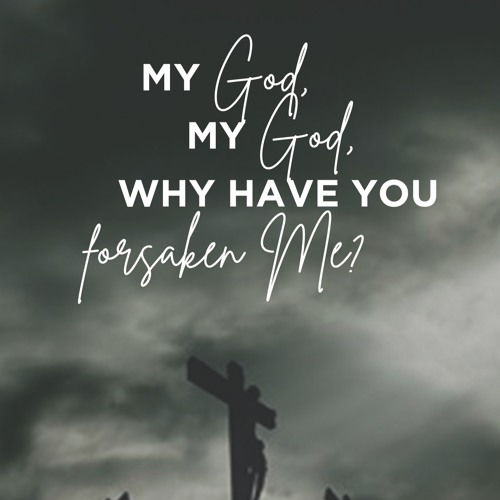
Learn about the phrase "My God, my God, why hast Thou forsaken me?" that appears in the Bible as one of Jesus's sayings on the cross. Find out how it relates to Psalm 22, the Aramaic language, and the linguistic analysis of the Gospel accounts. · Jesus quoted Psalm 22:1 when he cried out on the cross, expressing his dependence on God and his gratitude for his mission. Learn the meaning and context of this phrase and how it reveals God's love and justice for humanity. · When Jesus cries out, “My God, my God, why have you forsaken me?”, he quotes from Psalm 22:1. With this quote, Jesus connects to David and the promises and prophecies of the Messiah. Explore the biblical, historical, and theological significance of Jesus' words "My God, my God, why have you forsaken me?" on the cross (Matthew 27:46). Learn how this statement reveals His dual nature, His atonement, and His empathy for human suffering. · “And about the ninth hour Jesus cried with a loud voice, saying, Eli, Eli, lama sabachthani? that is to say, My God, my God, why hast thou forsaken me?” (Matthew 27:46, KJV). This cry is a fulfillment of Psalm 22:1, one of many parallels between that psalm and the specific events of the crucifixion. · 'MyGod, WhyHaveYouForsakenMe?' Bible Verses and Meaning Read the Bible verses of Jesus saying "MyGod, MyGod, whyhaveyouforsakenme?" in the last moments before giving His spirit. Also, watch videos of Don Whitney and Greg Laurie explain the meaning and importance of this quote from Christ! Certainly the first cry manifests Jesus' feelings of desolation and abandonment with the first words of Psalm 2: "And at the ninth hour Jesus cried with a loud voice, 'Eloi, Eloi, lema sabachthani?' which means, 'MyGod, myGod, whyhaveyouforsakenme?'" (Mk 15:34; cf. Mt 27:46).