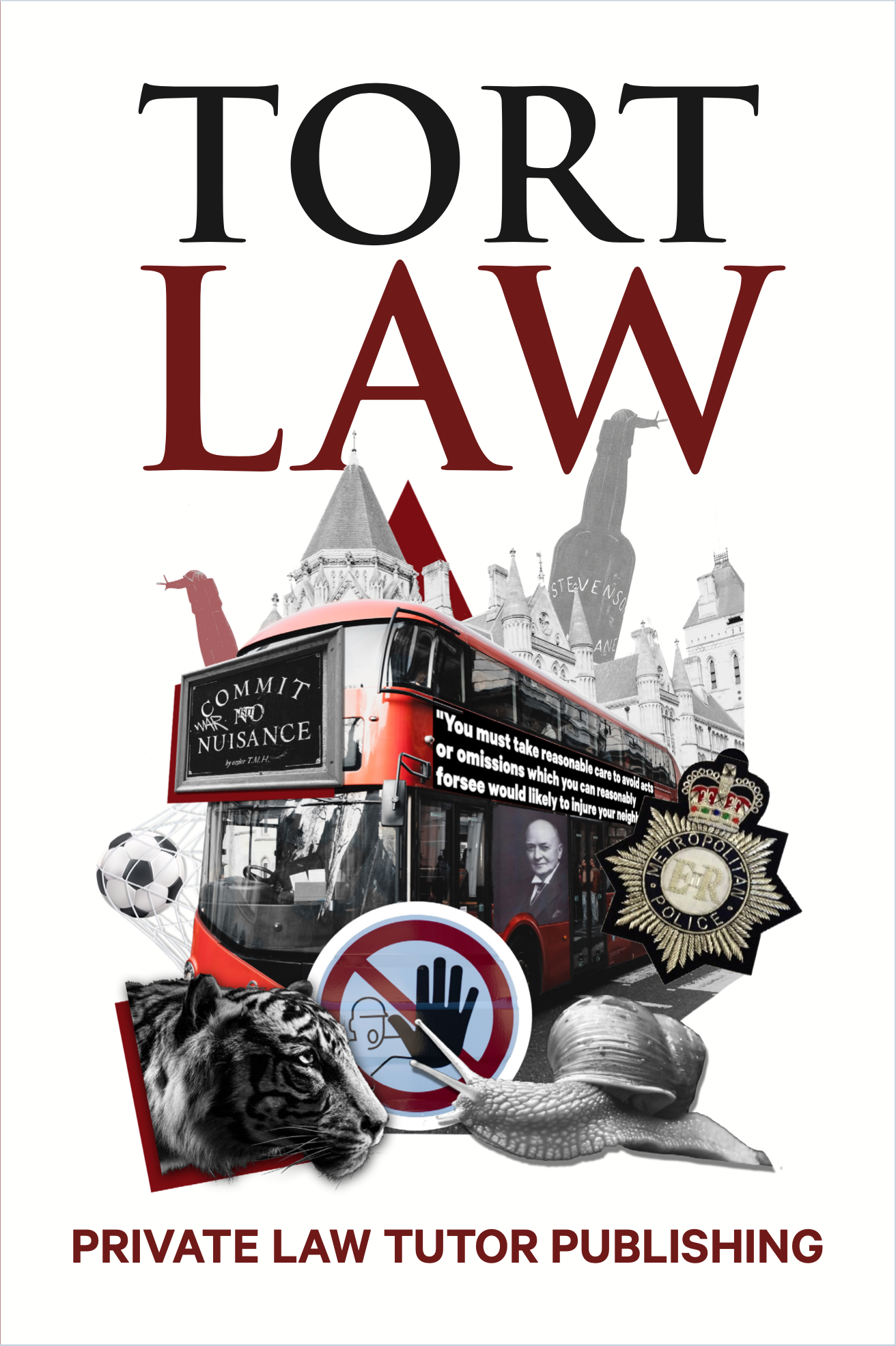
Tortlaw is referred to as the law of delict in Scots and Roman Dutch law, and resembles tortlaw in common law jurisdictions in that rules regarding civil liability are established primarily by precedent and theory rather than an exhaustive code. · Tort, in common law, civil law, and the vast majority of legal systems that derive from them, any instance of harmful behavior, such as physical attack on one’s person or interference with one’s possessions or with the use and enjoyment of one’s land, economic interests, honor, reputation, and privacy. · Tortlaw is the area of civil law that provides a framework for individuals seeking financial recovery after being harmed by the actions or inactions of another private party. It addresses civil wrongs, known as torts, which cause a claimant to suffer a loss or injury. A tort is a civil wrong that causes injury or harm to another and may lead to liability and compensation. Learn about the types of torts, such as intentional, negligent, and strict liability, and the remedies available for tort victims. Tortlaw is referred to as the law of delict in Scots and Roman Dutch law, and resembles tortlaw in common law jurisdictions in that rules regarding civil liability are established primarily by precedent and theory rather than an exhaustive code. Tort law has been called the law of wrongful injuries. It is the law that protects and compensates people who have been injured by the negligence, or recklessness, or intentional acts of wrongdoers. Tortlaw is the body of rules concerned with remedying harms caused by a person’s wrongful or injurious actions. For instance, if a surgeon tasked with amputating a patient’s left leg commits medical malpractice by instead amputating her right leg, that patient may be able to pursue a tort lawsuit for monetary damages against the surgeon. What is tort law?Definition, Types, and Examples Tort law explained: the legal system that defines civil accountability and determines the compensation owed for private injuries. Tort law is the area of civil law that provides a framework for individuals seeking financial recovery after being harmed by the actions or inactions of another private party.What are the three types of tort law?The three main categories of tort law are negligence, intentional harm, and strict liability. Negligent torts arise from a failure to exercise reasonable care, while intentional torts result from willful misconduct. Strict liability torts hold defendants accountable for certain actions regardless of intent or care level.What is a tort claim?It addresses civil wrongs, known as torts, which cause a claimant to suffer a loss or injury. The purpose of a tort claim is to achieve restorative justice by awarding monetary compensation to the injured party, aiming to make them financially whole again.What is a statutory tort?In common law jurisdictions, which typically rely on judicial precedent for the creation and development of new torts, the creation of statutory torts is a means through which legislatures reform and modify tort law. · Tort law covers civil suits that seek to remedy wrongful acts by awarding monetary compensation. The three main categories of tort law are negligence, intentional harm, and strict liability. · Tortlaw is the area of civil law that provides a framework for individuals seeking financial recovery after being harmed by the actions or inactions of another private party. It addresses civil wrongs, known as torts, which cause a claimant to suffer a loss or injury. A tort is a civil wrong that causes injury or harm to another and may lead to liability and compensation. Learn about the types of torts, such as intentional, negligent, and strict liability, and the remedies available for tort victims. Tort law has been called the law of wrongful injuries. It is the law that protects and compensates people who have been injured by the negligence, or recklessness, or intentional acts of wrongdoers. Tortlaw is the body of rules concerned with remedying harms caused by a person’s wrongful or injurious actions. For instance, if a surgeon tasked with amputating a patient’s left leg commits medical malpractice by instead amputating her right leg, that patient may be able to pursue a tort lawsuit for monetary damages against the surgeon. · Tort law covers civil suits that seek to remedy wrongful acts by awarding monetary compensation. The three main categories of tort law are negligence, intentional harm, and strict liability.